Supporting a Healthy Heart Through Everyday Habits
Health & Wellness
In this article 15 sections
- Why Cardiovascular Wellness Matters
- What Is Cardinine?
- Everyday Habits That Support Heart Health
- Healthy sources of dietary fats
- How Cardinine Can Fit Into a Wellness Routine
- Who Should Consider a Cardiovascular Wellness Routine?
- Building a Sustainable Daily Routine
- Cardinine and a Long-Term Approach to Wellness
- Frequently Asked Questions
- Is Cardinine a replacement for a healthy diet?
- Can Cardinine replace exercise?
- When should Cardinine be taken?
- Can everyone take Cardinine?
- What else can I do to support cardiovascular wellness?
- Conclusion
Ahealthy heart is an important part of overall well-being. From staying active and eating a balanced diet to managing stress and maintaining healthy daily routines, small lifestyle choices can make a meaningful difference over time. Alongside these habits, many people also explore nutritional products designed to support their everyday wellness goals.
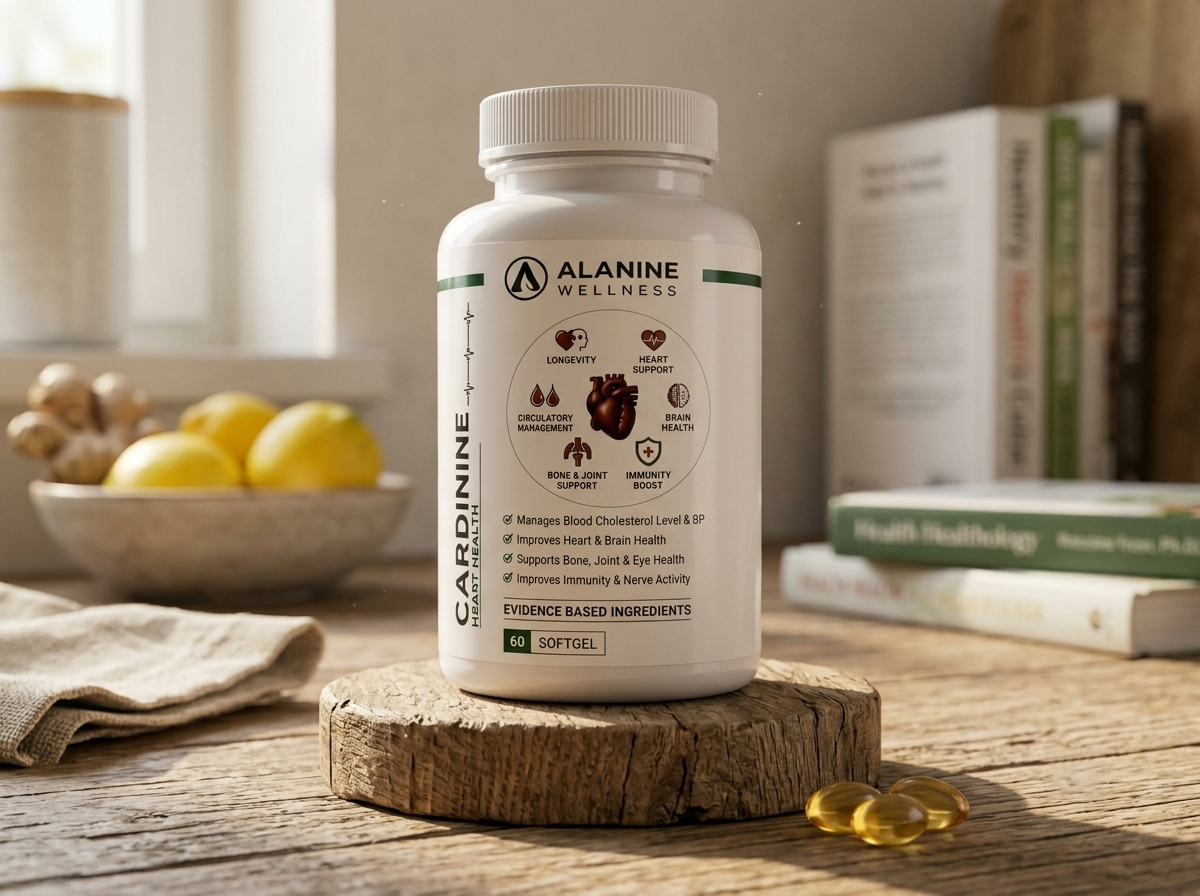
Cardinine can be positioned as part of a broader approach to cardiovascular wellness, complementing healthy lifestyle habits and a balanced nutritional routine.
Why Cardiovascular Wellness Matters
The cardiovascular system plays a central role in the body by circulating blood, oxygen and nutrients throughout the body. Supporting cardiovascular health isn't only about exercising occasionally or changing your diet for a few weeks. It is about developing sustainable habits that can become part of everyday life.
Factors such as physical activity, nutrition, sleep, stress, smoking, alcohol consumption and body weight can all influence overall cardiovascular wellness.
This is why a consistent lifestyle approach is generally more useful than relying on a single product or habit.
What Is Cardinine?
Cardinine is a wellness product associated with cardiovascular and nutritional support. It can be incorporated into a daily wellness routine alongside nutritious food, regular movement, adequate hydration and sufficient rest.
When considering any nutritional supplement, it is important to follow the manufacturer's recommended serving instructions and understand its ingredients and intended use.
A supplement should complement a healthy lifestyle rather than replace a balanced diet or professional medical advice.
Everyday Habits That Support Heart Health
- Stay Physically Active
Regular physical activity is one of the foundations of cardiovascular wellness. Walking, cycling, swimming, strength training or other enjoyable forms of exercise can help make movement a consistent part of your routine.
You don't necessarily need an intense workout every day. Building regular movement into your schedule can be a practical starting point.
- Focus on Balanced Nutrition
A balanced eating pattern can provide the nutrients your body needs for everyday functioning.
Try including a variety of:
- Vegetables and fruits
- Whole grains
- Legumes and pulses
- Nuts and seeds
- Lean protein sources
Healthy sources of dietary fats
Reducing excessive consumption of highly processed foods and added sugars can also support an overall healthier eating pattern.
- Pay Attention to Hydration
Water is essential for many normal body functions. Maintaining adequate hydration throughout the day is a simple habit that can contribute to general wellness.
Individual hydration requirements can vary depending on factors such as activity level, climate and diet.
- Make Sleep a Priority
Sleep is often overlooked when people think about wellness. Consistent, good-quality sleep supports the body's normal recovery processes and contributes to overall physical and mental well-being.
Creating a regular sleep schedule and limiting unnecessary screen exposure before bedtime may help establish better sleep habits.
- Manage Everyday Stress
Work, family responsibilities and modern lifestyles can contribute to ongoing stress. Finding healthy ways to manage stress can be an important part of a balanced wellness routine.
Activities such as walking, meditation, breathing exercises, hobbies and spending time with friends or family can help create opportunities to relax.
How Cardinine Can Fit Into a Wellness Routine
A well-rounded wellness routine should start with the basics: nutritious food, regular physical activity, adequate sleep and healthy lifestyle choices.
For individuals who are considering nutritional supplementation, Cardinine may be incorporated according to its product directions and formulation.
The key is to look at supplementation as one part of an overall wellness strategy, rather than expecting a supplement to replace healthy habits.
Who Should Consider a Cardiovascular Wellness Routine?
Cardiovascular wellness is relevant to adults of different ages and lifestyles. Someone who spends most of the day sitting at a desk may need to focus on increasing daily movement, while an active person may focus more on nutrition, hydration and recovery.
The right routine depends on individual circumstances, dietary habits, activity levels and health goals.
People with existing medical conditions or those taking prescription medicines should consult a qualified healthcare professional before starting a new supplement.
Building a Sustainable Daily Routine
Instead of attempting to change everything at once, consider making gradual improvements.
A simple daily routine could include:
Morning:
Start the day with water and a nutritious breakfast.
During the day:
Take regular movement breaks, choose balanced meals and stay hydrated.
Evening:
Reduce unnecessary screen time, practice relaxation and maintain a consistent bedtime.
Daily supplementation:
If Cardinine is appropriate for you, use it according to the product's recommended directions.
Consistency is often more practical than making extreme changes that are difficult to maintain.
Cardinine and a Long-Term Approach to Wellness
Supporting cardiovascular wellness is a long-term process. There is no single food, supplement or lifestyle change that can replace the benefits of a comprehensive healthy routine.
Cardinine can be considered as part of that broader approach, while nutrition, movement, sleep, hydration and stress management remain important components of everyday wellness.
Before introducing any supplement into your routine, read the product label carefully and consult a healthcare professional when appropriate.
Frequently Asked Questions
Is Cardinine a replacement for a healthy diet?
No. Nutritional supplements should not be viewed as a replacement for a varied and balanced diet. They are generally intended to complement an individual's overall nutritional routine.
Can Cardinine replace exercise?
No. Regular physical activity remains an important part of a healthy lifestyle. A supplement should not be used as a substitute for exercise or other healthy habits.
When should Cardinine be taken?
The appropriate timing depends on the specific Cardinine formulation and manufacturer's instructions. Follow the dosage and usage directions provided on the product packaging.
Can everyone take Cardinine?
Not necessarily. Individual nutritional needs and medical circumstances differ. Anyone with a medical condition, taking medication, pregnant or breastfeeding should seek professional advice before using a new supplement.
What else can I do to support cardiovascular wellness?
Regular movement, balanced nutrition, healthy sleep, adequate hydration, stress management and avoiding tobacco are important lifestyle considerations for overall cardiovascular wellness.
Conclusion
Cardiovascular wellness starts with everyday choices. Eating a balanced diet, staying physically active, getting adequate sleep, managing stress and maintaining healthy routines can all contribute to long-term well-being.
For people looking to include nutritional supplementation in their routine, Cardinine can be considered as part of a broader wellness approach. The most effective strategy is to combine appropriate supplementation with sustainable lifestyle habits rather than relying on a single product.
A healthier routine is built one consistent choice at a time.